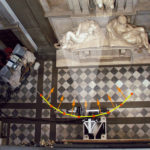
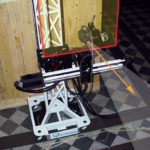
a single, robotically controlled camera
단일 로봇 제어 카메라
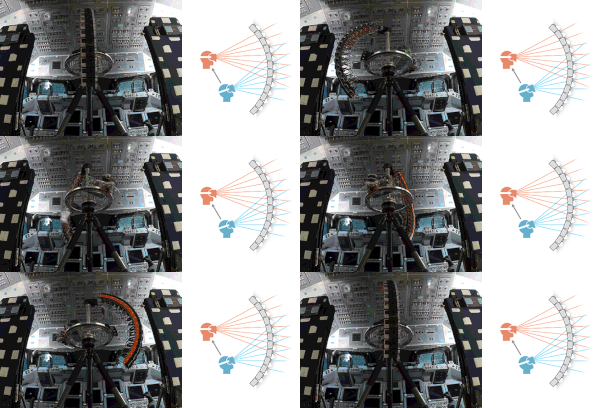
a rotating arc of cameras
회전하는 카메라 아크
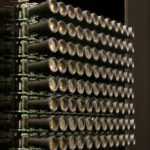
an array of cameras or camera modules
카메라 또는 카메라 모듈의 배열
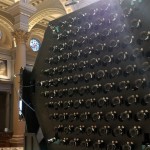
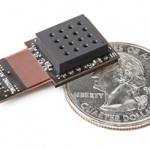
a single camera or camera lens fitted with a microlens array
마이크로렌즈 배열이 장착된 단일 카메라 또는 카메라 렌즈


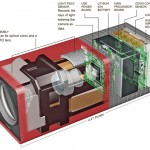
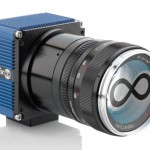
The light field consists of the total of all light rays in 3D space, flowing through every point and in every direction.라이트 필드는 3차원 공간의 모든 광선, 즉 모든 지점을 통해 모든 방향으로 흐르는 빛의 총합을 의미합니다.Everything we can see is illuminated by light coming from a light source (e.g. the sun or a lamp), travelling through space and hitting surfaces. At each surface, light is partly absorbed, and partly reflected (or sometimes refracted) to another surface, where it bounces again, until it finally reaches our eyes.우리가 볼 수 있는 모든 것은 광원(예: 태양이나 램프)에서 나와 공간을 이동하여 표면에 도달하는 빛에 의해 비춰집니다. 각 표면에서 빛은 일부 흡수되고, 일부는 반사되거나(때로는 굴절되어) 다른 표면으로 이동하여 다시 반사되며, 최종적으로 우리의 눈에 도달합니다.What exactly we can see depends on our precise position in the light field, and by moving around in it, we can perceive part of the light field and use that to get an idea about the relative position of objects in our environment.정확히 무엇을 볼 수 있는지는 광장에서의 정확한 위치에 따라 달라지며, 그 안에서 움직임으로써 우리는 광장의 일부를 인지하고 이를 통해 주변 환경에서 물체의 상대적 위치에 대한 개념을 얻을 수 있습니다.
Scientifically speaking, light rays are described by the 5-dimensional plenoptic function: Each ray is defined by three coordinates in 3D space (3 dimensions) and two angles to specify their direction in 3D space (2 dimensions).과학적으로 말하면, 광선은 5차원 플레노프틱 함수로 설명됩니다: 각 광선은 3차원 공간의 세 좌표(3차원)와 3차원 공간에서 방향을 지정하는 두 각도(2차원)로 정의됩니다.However, when measuring a light field using cameras, light rays can be assumed to have constant radiance along their path. Removing this redundant information from the 5D function, we are left with the 4D light field.그러나 카메라를 사용하여 광장을 측정할 때, 광선은 경로를 따라 일정한 방사휘도를 가진다고 가정할 수 있습니다. 이 중복 정보를 5D 함수에서 제거하면 4D 광장이 남게 됩니다.
Check out Wikipedia’s Light Field article for a more detailed description of the light field and the plenoptic function.라이트 필드와 플레노프틱 함수에 대한 더 자세한 설명은 위키백과의 라이트 필드 문서를 확인해 보세요.
A traditional camera captures only a flat, two-dimensional representation of the light rays reaching the lens at a given position. The 2D image sensor records the sum of brightness and colour of all light rays arriving at each individual pixel.전통적인 카메라는 주어진 위치에서 렌즈에 도달하는 광선의 평평한 2차원 표현만을 포착합니다. 2D 이미지 센서는 각 개별 픽셀에 도달하는 모든 광선의 밝기와 색상의 합을 기록합니다.
In contrast, a light field camera can record not only brightness and colour values in the 2D imaging sensor, but also the direction/angle of all the light rays arriving at the sensor. This additional information allows us to reconstruct where exactly each light ray came from before reaching the camera, making it possible to calculate a three-dimensional model of the captured scene.반면, 라이트 필드 카메라는 2D 이미징 센서에서 밝기와 색상 값뿐만 아니라 센서에 도달하는 모든 광선의 방향/각도도 기록할 수 있습니다. 이 추가 정보를 통해 우리는 각 광선이 카메라에 도달하기 전에 정확히 어디에서 왔는지 재구성할 수 있어, 촬영된 장면의 3차원 모델을 계산하는 것이 가능해집니다.
Light field volumes can be captured using several techniques, including…라이트 필드 볼륨은 여러 기술을 사용하여 캡처할 수 있습니다. 여기에는...
a single, robotically controlled camera
단일 로봇 제어 카메라
a rotating arc of cameras
회전하는 카메라 아크
an array of cameras or camera modules
카메라 또는 카메라 모듈의 배열
a single camera or camera lens fitted with a microlens array
마이크로렌즈 배열이 장착된 단일 카메라 또는 카메라 렌즈
Depending on the technique used, the captured image data typically consists of an image containing many sub-images (from a single sensor and microlens array) or many images (from multiple cameras or exposures). The common feature of both datasets is that the sub-images or individual images differ slightly from each other because they captured light rays from slightly different positions in space.사용된 기술에 따라, 캡처된 이미지 데이터는 일반적으로 많은 서브 이미지(단일 센서와 마이크로렌즈 배열로부터)를 포함하는 하나의 이미지 또는 많은 이미지(다중 카메라 또는 노출로부터)로 구성됩니다. 두 데이터 세트의 공통된 특징은 서브 이미지 또는 개별 이미지들이 공간상에서 약간 다른 위치에서 광선을 캡처했기 때문에 서로 약간씩 다르다는 점입니다.
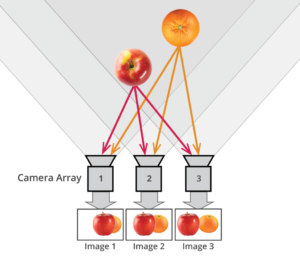
The difference – or disparity – between pixels in the (sub-)images can be used to compute the colour and angularity information of the recorded light rays, making it possible to calculate each object’s position in space and its distance from the lens or camera. This information is then processed to compute a light field volume, containing a 3D model of the recorded scene.(서브) 이미지 내 픽셀들 간의 차이, 즉 변위는 기록된 광선의 색상과 각도 정보를 계산하는 데 사용될 수 있으며, 이를 통해 각 물체의 공간 내 위치와 렌즈 또는 카메라로부터의 거리를 계산할 수 있습니다. 이 정보는 이후 처리되어 기록된 장면의 3D 모델을 포함하는 라이트 필드 볼륨을 계산하는 데 사용됩니다.
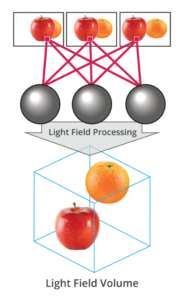
Capturing a light field volume, rather than just a 2D image, opens up entirely new possibilities for imaging: The rich light field data allows us change fundamental features of an image, after it is taken: You can change what parts of the image should be in focus or blurry, adjust optical parameters such as the depth of field, change the perspective within the limits of the lens (or camera array), or even create 3D pictures from a single exposure.2D 이미지가 아닌 라이트 필드 볼륨을 캡처하는 것은 이미징에 완전히 새로운 가능성을 열어줍니다: 풍부한 라이트 필드 데이터를 통해 촬영 후에도 이미지의 근본적인 특징을 변경할 수 있습니다. 이미지의 어느 부분을 초점이 맞은 상태로, 어느 부분을 흐릿하게 할지 변경하거나, 피사계 심도와 같은 광학적 매개변수를 조정하거나, 렌즈(또는 카메라 어레이)의 한계 내에서 시점을 변경하거나, 심지어 단일 노출로 3D 사진을 생성할 수도 있습니다.
Have a look at Light Field Features for more details.자세한 내용은 라이트 필드 기능을 확인해 보세요.